


BPC-157 10mg
$57.99
BPC-157 10mg – High-Purity Research Peptide
• Derived from gastric protein fragment
• Studied for recovery & regenerative research
• 10mg vial • Research use only
• Derived from gastric protein fragment
• Studied for recovery & regenerative research
• 10mg vial • Research use only
Availability: In Stock
Recommended Add-On
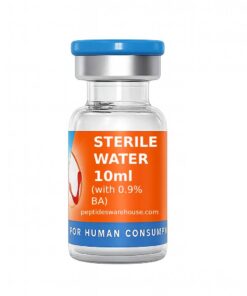
Most customers add Sterile Water X 10ml ( 9% BA) for reconstitution.
BPC-157 10mg
Introduction to BPC-157
BPC-157 is a lab-synthesized peptide modeled after a segment of a natural protein found in gastric juice. Known for its stability and broad range of potential biological interactions, it has been investigated in preclinical research for its possible influence on tissue repair and regeneration.
The 10mg format provides a larger quantity for extended experimental use in laboratory studies.
Research Relevance
Studies have explored BPC-157 in relation to tendon, ligament, and bone healing models. Its influence on angiogenesis and anti-inflammatory signaling pathways has made it a popular subject in regenerative biology research.
Its potential effects on the gastrointestinal system, vascular function, and neurological recovery are also being investigated in animal models.
Mechanistic Insights
Experimental data suggests that BPC-157 may promote VEGF-driven blood vessel formation, regulate nitric oxide synthesis, and modulate local growth factor activity. This multi-pathway interaction profile continues to be a focus of ongoing peptide research.
Primary Study Areas
- Regenerative medicine modeling
- Musculoskeletal tissue recovery studies
- Vascular biology experiments
- Gastrointestinal health research
- Neuroprotective effect evaluations
Chemical Properties
Sequence: Gly-Glu-Pro-Pro-Pro-Gly-Lys-Pro-Ala-Asp-Asp-Ala-Gly-Leu-Val
Molecular Formula: C62H98N16O22
Molecular Weight: ~1419.54 g/mol
Its stable structure supports extended shelf life under proper storage conditions, making it suitable for long-term research projects.
Storage Guidelines
Store lyophilized BPC-157 at −20°C, protected from light and moisture. After reconstitution, refrigerate at 2–8°C and use according to research protocol timelines. Avoid multiple freeze–thaw cycles.
For Laboratory Use Only
BPC-157 10mg is designed solely for controlled laboratory research and must be handled by qualified professionals. Not for human or veterinary use.
Additional Information
| Weight | .01 g |
|---|
Disclaimer
This product should only be handled by qualified, and licensed professionals. The product may not be used as a drug, agricultural or pesticidal product, food additive or household chemical – and may not be misbranded as such. All information on this website is available for educational purposes only. Bodily introduction of any kind into humans and/or animals is strictly forbidden by law.
Only logged in customers who have purchased this product may leave a review.
Free : 7 Days
Priority : 4-6 Days
Express : 1-3 Days
Priority : 4-6 Days
Express : 1-3 Days
Related products

Reviews
There are no reviews yet.